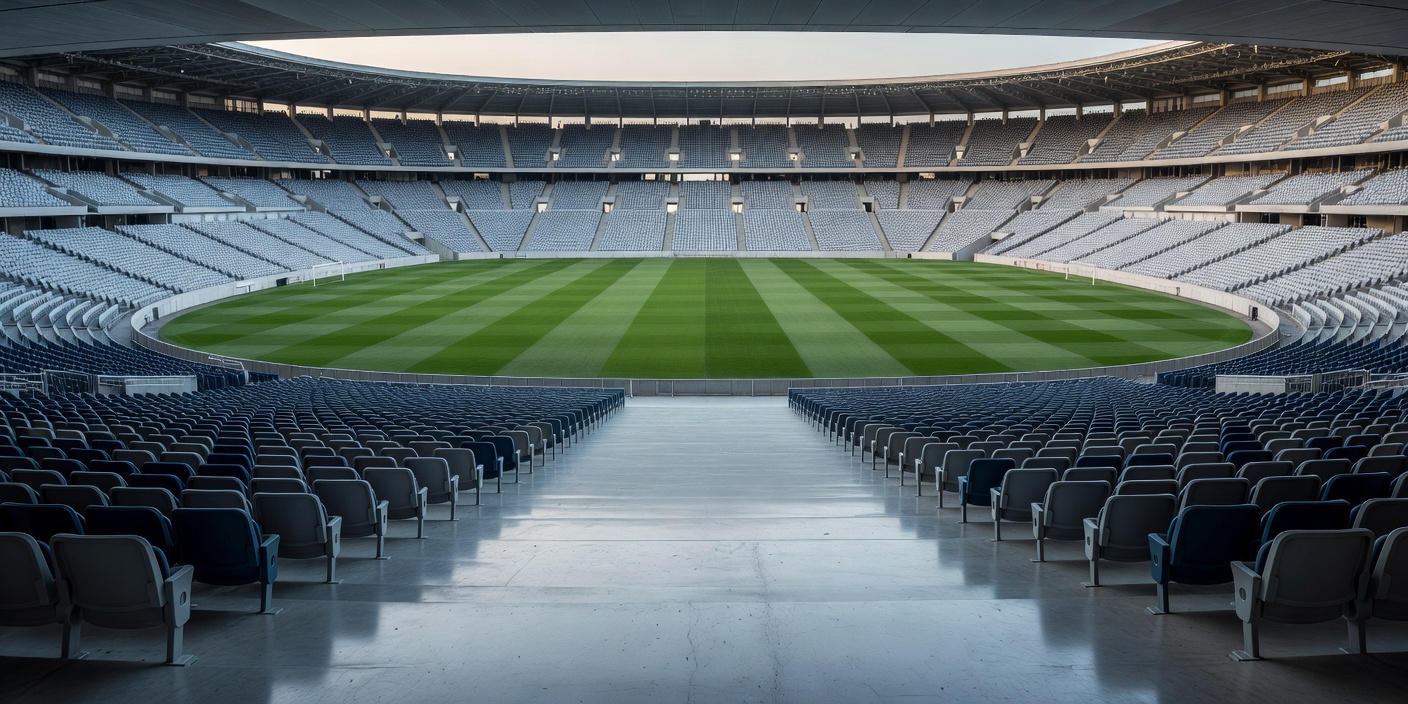
Ownership is only the first question
A team may own its stadium, lease it from a public body or use a venue held by a related property company. Each arrangement separates rights and obligations differently. Naming rights, catering, parking and non-sporting events may belong to different parties, even when supporters experience a single venue.
For that reason, “the club has a new stadium” says little about its net benefit. The relevant documents establish who receives additional revenue, who pays operating costs and who must fund maintenance or major replacement work over the life of the building.
US public funding needs a full boundary
US stadium projects can involve municipal borrowing, dedicated taxes, public land or infrastructure spending alongside private contributions. A project described as privately financed may still benefit from publicly funded transport or site preparation. Conversely, public ownership does not establish that taxpayers carry every operating risk.
Municipal bond documents and development agreements help define the actual exposure. Look for the pledged revenue source, any public guarantee, cost-overrun provisions and obligations if the team leaves. The headline construction contribution is only one part of the relationship between a team and its host city.
European grounds have varied histories
European football includes club-owned grounds, municipal stadiums and long leases. Older urban sites can restrict expansion through housing, transport capacity and planning constraints. A club may face a choice between improving a familiar location and moving to a site with more commercial space but different access costs for supporters.
Public assistance can also raise subsidy-control or state-aid questions, depending on the jurisdiction. Europe is therefore not a simple private-finance alternative to the US. The same examination of land, guarantees and infrastructure is needed, with the relevant national and local legal rules added.
More events are not automatically more profit
Tottenham Hotspur Stadium was designed to accommodate football and NFL games, making it a useful example of a venue built for more than its domestic home schedule. Such flexibility can expand potential income through different events, hospitality and commercial uses.
Extra dates also bring conversion work, staffing, security, pitch protection and wear. Planning permissions or local agreements can constrain the event calendar. What matters is the contribution after those costs and obligations, not simply the number of occasions on which the doors open. A technically flexible building still needs commercially attractive bookings.
Local spending is not all additional spending
A stadium project may draw visitors who would otherwise spend elsewhere. Some matchday spending, however, replaces spending residents would have made at other local businesses. Money paid to suppliers or owners outside the area may also leave the local economy.
An economic-impact claim is more informative when it states the geographical boundary and compares the project with a credible alternative use of public money and land. Construction employment is temporary; ongoing employment has different characteristics. Civic enjoyment and community identity can matter, but they should not be quietly counted as tax receipts.
Debt changes the sporting calculation
New hospitality areas and better facilities may support higher revenue, but financing costs arrive whether the team wins or loses. European relegation can therefore interact awkwardly with stadium debt. Protected US league membership reduces that particular risk without removing interest-rate, refinancing or local-demand exposure.
Supporters face a further trade-off: commercial improvements may accompany higher prices or changes to familiar seating. A financially attractive project for an owner is not necessarily equally attractive to every attendee. A balanced assessment keeps club cash flow, public value and supporter access in separate view.
Documents that reveal the deal
For US municipal financing, the Municipal Securities Rulemaking Board’s EMMA service provides bond disclosures. In the UK, examine local authority planning records and published club accounts. Tottenham Hotspur Stadium describes its venue uses. For European public-support questions, consult the European Commission’s state-aid information. These sources address different parts of a project; an event brochure cannot establish the public financing burden.